In modern water treatment and aquaculture systems, oxygen management has become one of the most important factors affecting operational efficiency, biological stability, and long-term energy consumption. Whether in municipal wastewater treatment plants, industrial oxidation systems, recirculating aquaculture systems (RAS), or intensive fish farming operations, oxygenation equipment directly determines how effectively oxygen can be transferred into water and maintained at stable dissolved oxygen levels.
Many facilities still treat aeration systems as basic auxiliary equipment. In reality, oxygenation efficiency often defines whether a system can maintain stable biological performance under changing load conditions. Poor oxygen transfer may lead to unstable microbial activity, increased ammonia concentration, fish stress, sludge accumulation, and excessive electricity consumption.
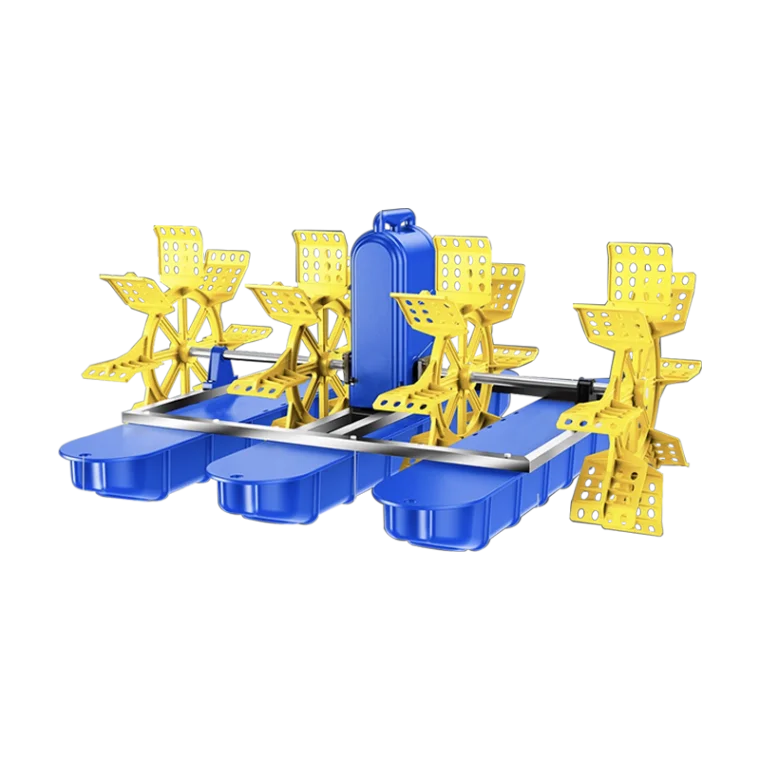
Modern oxygenation equipment is therefore no longer a simple air injection device. It has evolved into an integrated engineering system combining fluid mechanics, gas diffusion technology, corrosion-resistant materials, and intelligent control architecture.
Why Dissolved Oxygen Stability Matters
In wastewater treatment systems, oxygen is essential for aerobic microorganisms responsible for decomposing organic matter and removing nitrogen compounds. If dissolved oxygen concentration drops below operational targets, microbial activity slows rapidly, reducing treatment efficiency and increasing sludge instability.
In aquaculture environments, oxygen demand is even more dynamic. Fish respiration, biomass density, water temperature, and feeding activity continuously affect dissolved oxygen consumption. Low oxygen concentration may result in slower growth, weakened immunity, poor feed conversion, and mortality risk in high-density farming systems.
Most biological treatment systems typically operate within dissolved oxygen ranges of 2–4 mg/L, while intensive aquaculture systems often require 5–8 mg/L or higher depending on species and stocking density.
Maintaining these levels consistently requires oxygenation equipment capable of stable oxygen transfer under varying operating conditions.
Oxygen Transfer Efficiency Determines System Economics
The real performance value of oxygenation equipment lies in oxygen transfer efficiency rather than airflow volume alone.
In practical operation, a large portion of injected air may escape without dissolving into water if the system is poorly designed. Since aeration systems often account for a major share of total energy consumption in treatment facilities, inefficient oxygen transfer directly increases operational cost.
High-efficiency oxygenation systems improve:
-
Oxygen dissolution rate
-
Biological reaction efficiency
-
Water circulation stability
-
Energy utilization performance
Even relatively small improvements in oxygen transfer efficiency can significantly reduce annual electricity consumption in large-scale systems operating continuously.
Bubble Size Directly Influences Oxygen Dissolution
One of the most important engineering factors in oxygenation equipment is bubble size control.
Smaller bubbles create a larger gas-liquid contact surface area and remain suspended in water longer, allowing more oxygen to dissolve before reaching the surface. Fine bubble oxygenation systems therefore provide significantly higher oxygen transfer efficiency compared with coarse bubble systems.
However, fine bubble systems also require more advanced diffuser materials and anti-clogging structures because small air passages are more sensitive to contamination and fouling.
Coarse bubble systems remain widely used in applications involving high solids concentration or aggressive wastewater environments because they provide stronger mixing capability and better resistance to blockage.
The selection between fine bubble and coarse bubble systems depends heavily on operating environment, water characteristics, and maintenance strategy.
Diffuser Design Affects Long-Term Performance Stability
The diffuser is the core component responsible for dispersing oxygen into water.
Its material quality and structural design directly affect:
-
Bubble uniformity
-
Oxygen transfer consistency
-
Pressure resistance
-
Chemical corrosion resistance
-
Maintenance frequency
Industrial oxygenation equipment commonly uses EPDM membranes, silicone membranes, ceramic diffusers, or stainless steel structures depending on operating conditions.
Poor-quality diffusers often experience membrane cracking, uneven airflow distribution, and rapid efficiency decline under continuous operation.
In corrosive industrial wastewater or saltwater aquaculture environments, diffuser durability becomes even more critical because material degradation can quickly reduce system reliability.
Hydraulic Flow Design Is Equally Important
Effective oxygenation depends not only on oxygen input, but also on how water circulates within the tank or treatment system.
Poor hydraulic design can create dead zones where oxygen concentration remains insufficient despite high aeration energy consumption.
Modern oxygenation equipment increasingly relies on CFD-optimized flow structures to improve:
-
Water circulation uniformity
-
Oxygen distribution consistency
-
Sediment suspension control
-
Biological contact efficiency
Proper mixing design ensures oxygen reaches all active biological zones rather than concentrating only near the diffuser area.
Oxygenation Equipment in Wastewater Treatment
Wastewater treatment remains one of the largest application areas for industrial oxygenation systems.
Applications include activated sludge systems, sequencing batch reactors (SBR), MBBR reactors, aerobic digesters, and industrial biological oxidation tanks.
In these systems, oxygenation equipment must balance several competing requirements:
-
High oxygen transfer efficiency
-
Stable microbial activity
-
Low energy consumption
-
Resistance to fouling
-
Continuous long-term operation
As environmental discharge standards become stricter worldwide, wastewater facilities increasingly require more efficient oxygenation systems capable of reducing operational energy cost while maintaining stable biological treatment performance.
Aquaculture Systems Require More Precise Oxygen Control
Modern aquaculture has shifted toward higher stocking densities and more intensive production models.
This creates significantly higher oxygen demand compared with traditional farming systems.
Today’s aquaculture oxygenation equipment may integrate technologies such as:
-
Nano bubble systems
-
Venturi oxygen injectors
-
Paddlewheel aerators
-
Pure oxygen injection modules
-
Oxygen cone systems
The goal is not simply increasing oxygen levels, but maintaining stable dissolved oxygen distribution throughout the water body without causing excessive turbulence or stress to aquatic species.
In recirculating aquaculture systems, oxygen management becomes especially important because water reuse requires continuous biological filtration and stable oxygen supply.
Intelligent Monitoring Is Becoming Standard
Modern oxygenation equipment increasingly integrates digital monitoring systems and automated control platforms.
Real-time monitoring commonly includes:
-
Dissolved oxygen concentration
-
Airflow rate
-
Pressure differential
-
Water temperature
-
ORP values
Automated control systems can dynamically adjust oxygen supply based on actual process demand, improving both energy efficiency and operational stability.
Smart monitoring also helps reduce maintenance risk by identifying airflow imbalance, membrane clogging, or blower abnormalities before system performance deteriorates significantly.
Corrosion Resistance Extends Equipment Lifespan
Oxygenation systems often operate in highly corrosive environments involving moisture, industrial chemicals, saltwater exposure, and biological contamination.
Material selection therefore plays a major role in long-term reliability.
Common materials include stainless steel 304/316, FRP structures, anti-corrosion polymer coatings, and high-density polyethylene piping systems.
Without proper corrosion protection, equipment degradation may lead to airflow leakage, reduced pressure stability, and increased maintenance cost.
Maintenance Design Influences Total Lifecycle Cost
Initial equipment price alone does not determine overall project cost.
In long-term operation, maintenance accessibility and component lifespan often have greater financial impact.
Modern oxygenation equipment increasingly adopts modular maintenance structures that simplify:
-
Diffuser replacement
-
Airflow inspection
-
Cleaning procedures
-
Pipe maintenance
Anti-clogging membrane structures and quick-access maintenance layouts help reduce downtime and improve operational continuity.
Manufacturing Precision Affects Operational Consistency
Industrial oxygenation equipment requires stable manufacturing quality to ensure uniform airflow distribution and long-term pressure stability.
Critical manufacturing factors include:
-
Precision welding quality
-
Diffuser uniformity control
-
Pressure resistance testing
-
Corrosion protection verification
-
Structural rigidity inspection
Consistent production standards are essential for large-scale systems operating continuously under varying environmental conditions.
Choosing the Right Oxygenation Equipment Supplier
Selecting oxygenation equipment requires evaluating not only equipment specifications but also engineering capability and long-term technical support.
Key considerations include:
-
Oxygen transfer efficiency performance
-
Energy optimization capability
-
Corrosion resistance engineering
-
Flow dynamics design expertise
-
Automation integration support
-
Maintenance accessibility
-
Industry application experience
Suppliers with strong customization capability are generally better suited for complex industrial treatment or aquaculture projects.
Conclusion
Modern oxygenation equipment has become a highly engineered system integrating gas diffusion, fluid dynamics, material science, and intelligent control technology.
Its performance directly influences biological treatment efficiency, aquaculture productivity, operational energy consumption, and long-term system stability.
As industries continue demanding higher efficiency, lower operating cost, and more sustainable water management solutions, high-performance oxygenation equipment will play an increasingly important role across wastewater treatment and aquaculture applications worldwide.
www.jiangchenmotor.com
Foshan Jiangchen Electric Motor Co., Ltd.