In modern plastic assembly manufacturing, welding consistency directly affects product strength, sealing performance, cosmetic quality, and long-term reliability. As industries such as automotive electronics, medical devices, household appliances, packaging, and consumer electronics continue demanding higher assembly precision, the role of Hot melt molds has become increasingly critical.
While many manufacturers focus heavily on welding machine parameters, real production stability often depends just as much on mold structure, thermal transfer efficiency, positioning accuracy, and material compatibility.
A poorly designed hot melt mold may lead to uneven welding, material deformation, flash defects, unstable cycle times, or excessive maintenance downtime. In high-volume automated production environments, even small tooling inconsistencies can significantly affect yield rates and operational cost.
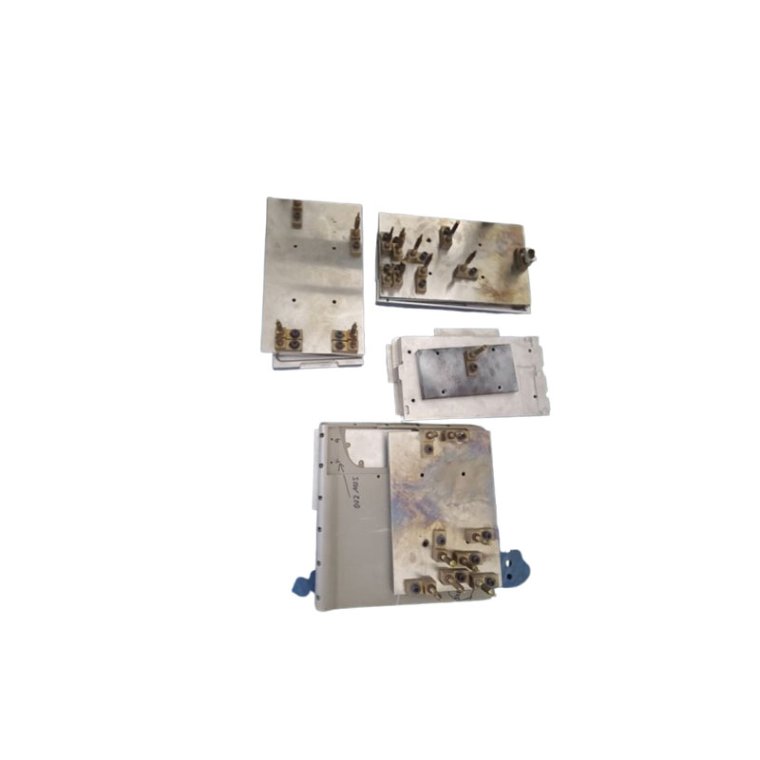
This article explores how Hot melt molds influence plastic welding quality, production stability, and manufacturing efficiency from a technical and industrial perspective.
Why Hot Melt Welding Remains Important in Plastic Assembly
Plastic welding technologies continue evolving, but hot melt welding remains widely used because of its strong compatibility with large structural plastic components and high-strength joining applications.
Compared with adhesive bonding or mechanical fastening, hot melt welding offers several advantages:
-
Strong structural bonding
-
Good sealing performance
-
Reduced consumable cost
-
High repeatability
-
Better waterproof capability
-
Cleaner assembly appearance
Hot melt welding is especially suitable for thermoplastic materials such as:
-
PP
-
PE
-
ABS
-
PA
-
PC
-
PVC
-
PBT
Applications commonly include:
-
Automotive plastic assemblies
-
Electronic housings
-
Water tanks
-
Filters
-
Medical plastic parts
-
Battery components
-
Household appliance structures
However, achieving stable weld quality requires precise interaction between the welding machine and Hot melt molds.
The Real Function of Hot Melt Molds
Many people incorrectly assume the mold only positions the workpiece.
In reality, Hot melt molds directly influence:
-
Heat distribution
-
Pressure transfer
-
Part alignment
-
Weld consistency
-
Surface appearance
-
Cooling efficiency
-
Production cycle stability
The mold acts as the physical interface between thermal energy and the plastic component.
Its structural design determines whether heat and pressure are distributed evenly across the welding area.
Thermal Transfer Efficiency Determines Welding Stability
Hot melt welding relies on controlled thermal energy to soften thermoplastic materials before joining.
The challenge is maintaining consistent heat transfer without causing:
-
Surface burning
-
Material collapse
-
Internal stress
-
Incomplete fusion
-
Dimensional deformation
High-quality Hot melt molds are designed to optimize thermal conduction and temperature uniformity.
Critical factors include:
-
Mold material conductivity
-
Heating element positioning
-
Contact surface geometry
-
Thermal insulation structure
-
Temperature control precision
Uneven thermal distribution often creates weak weld zones that may fail during mechanical loading or long-term product use.
Mold Material Selection Directly Affects Service Life
Hot melt molds operate under repeated thermal cycling and mechanical pressure.
Poor material selection can quickly lead to:
-
Surface wear
-
Thermal deformation
-
Reduced dimensional accuracy
-
Cracking
-
Oxidation
Industrial-grade molds commonly use:
-
Aluminum alloys
-
Tool steel
-
Hardened steel
-
Titanium alloys for specialized applications
Aluminum molds offer:
-
Faster heat transfer
-
Reduced heating time
-
Lower weight
Steel molds provide:
-
Higher wear resistance
-
Better dimensional stability
-
Longer operational lifespan
The correct material depends on production volume, welding temperature, and product structure.
Precision Machining Is Essential for Consistent Welding Quality
Modern plastic assemblies increasingly require tight dimensional tolerances.
High-precision CNC machining improves:
-
Positioning accuracy
-
Surface consistency
-
Pressure uniformity
-
Part repeatability
Even small machining deviations may cause:
-
Misaligned weld seams
-
Uneven pressure distribution
-
Cosmetic defects
-
Product leakage
-
Reduced assembly strength
This becomes especially critical for waterproof or airtight plastic products.
Industrial Hot melt molds often require machining tolerances within tight ranges to ensure stable long-term production consistency.
Temperature Control Systems Are Becoming More Advanced
Modern hot melt welding systems increasingly integrate intelligent temperature management.
Advanced mold systems may include:
-
Multi-zone heating
-
PID temperature control
-
Embedded temperature sensors
-
Independent thermal regulation
-
Real-time thermal feedback
These systems help maintain stable welding conditions even during continuous high-speed production.
Temperature fluctuation is one of the most common causes of inconsistent welding quality in automated assembly lines.
Hot Melt Molds for Automotive Plastic Components
The automotive industry remains one of the largest users of hot melt welding technology.
Applications include:
-
Interior panels
-
Fluid reservoirs
-
Lighting housings
-
Air duct systems
-
Sensor brackets
-
Battery components
Automotive production requires:
-
High structural consistency
-
Strong vibration resistance
-
Leak-proof welding
-
Long-term durability
Hot melt molds used in automotive manufacturing must therefore withstand continuous high-cycle operation while maintaining precise dimensional stability.
Medical Device Manufacturing Requires Higher Precision
Medical plastic assemblies often require:
-
Tight dimensional control
-
Sterile compatibility
-
Minimal particle contamination
-
High sealing reliability
In these applications, Hot melt molds must deliver:
-
Extremely stable heat transfer
-
Burr-free welding
-
Smooth cosmetic finish
-
Precise positioning
Medical manufacturing also increasingly requires traceable process control and repeatable validation capability.
Automation Compatibility Is Now a Standard Requirement
Modern production lines increasingly integrate:
-
Robotic loading systems
-
PLC control platforms
-
Vision inspection systems
-
Automated pressure monitoring
-
MES integration
Hot melt molds must therefore be designed for automated manufacturing environments.
Important considerations include:
-
Quick-change tooling capability
-
Positioning repeatability
-
Robotic accessibility
-
Thermal stability during continuous cycling
Poorly designed tooling may create production bottlenecks even when high-end automation systems are used.
Cooling Design Directly Affects Production Efficiency
Cycle time is one of the most important economic factors in mass production.
After welding, plastic components must cool sufficiently before unloading.
Inefficient cooling systems may cause:
-
Part deformation
-
Extended cycle time
-
Surface marking
-
Dimensional instability
Advanced Hot melt molds increasingly integrate:
-
Internal cooling channels
-
Water circulation systems
-
Optimized airflow structures
-
Thermal balancing design
Improved cooling efficiency increases throughput while maintaining product quality consistency.
Non-Standard Customization Is Increasingly Common
Many industrial plastic assemblies cannot use standardized welding molds.
Custom Hot melt molds are often required for:
-
Complex geometries
-
Multi-part assemblies
-
Irregular weld paths
-
Large structural products
-
High-precision sealing applications
Huacheng specializes in plastic welding technology, including ultrasonic welding equipment, hot melt welding machines, hot melt molds, rotary welding systems, and non-standard automation equipment customization.
Its capabilities cover technology development, manufacturing, welding processing support, and integrated customized solutions for industrial plastic assembly applications.
Maintenance and Tooling Longevity Affect Lifecycle Cost
Many manufacturers focus only on initial tooling cost.
However, long-term operational factors often have greater economic impact, including:
-
Maintenance frequency
-
Heating element replacement
-
Surface wear resistance
-
Mold cleaning difficulty
-
Downtime during servicing
Industrial-grade Hot melt molds are increasingly designed for:
-
Modular maintenance
-
Replaceable wear components
-
Simplified cleaning access
-
Extended operational lifespan
This helps reduce long-term production interruptions.
Quality Consistency Is Critical in Mass Production
In high-volume manufacturing, tooling consistency directly affects yield stability.
Poor-quality molds may suffer from:
-
Thermal imbalance
-
Machining inconsistency
-
Weak structural rigidity
-
Fast wear rates
-
Alignment drift
Reliable manufacturers implement strict quality control for:
-
Material inspection
-
CNC precision verification
-
Thermal testing
-
Structural validation
-
Welding performance simulation
Stable tooling quality becomes especially important in automated production lines operating continuously.
How to Evaluate a Hot Melt Mold Supplier
Industrial manufacturers increasingly evaluate suppliers based on:
-
Welding process expertise
-
Precision machining capability
-
Thermal engineering knowledge
-
Automation integration experience
-
Custom design capability
-
Long-term technical support
-
Mold lifespan performance
-
Non-standard project experience
Suppliers with integrated welding technology expertise are generally better equipped to optimize both tooling and welding process performance.
Conclusion
Hot melt molds are not simple positioning tools. They are critical process components that directly influence welding strength, thermal consistency, production efficiency, and long-term manufacturing reliability.
As plastic assemblies continue becoming more complex and production automation levels continue rising, demand for high-precision, thermally optimized, and automation-compatible Hot melt molds will continue growing across automotive, medical, electronics, and industrial manufacturing sectors.
For manufacturers seeking stable weld quality, shorter cycle times, and lower long-term operational cost, selecting professionally engineered Hot melt molds is becoming an essential part of modern plastic assembly production strategy.
www.sonicweldtech.com
Shenzhen Huacheng Ultrasonic Equipment Co., Ltd.