As semiconductor manufacturing moves toward smaller process nodes and higher precision requirements, vibration control has become one of the most important factors affecting yield stability, overlay accuracy, and equipment reliability. In advanced wafer fabrication environments, even nanometer-level disturbances can directly influence lithography precision, inspection repeatability, and positioning accuracy.
This is why the demand for an advanced vibration damping solution for semiconductor equipment continues to grow across wafer fabs, semiconductor metrology systems, precision optics, and microelectronics manufacturing facilities.
In modern semiconductor production, vibration is no longer viewed as a secondary environmental issue. It is now considered a core process variable that directly impacts production consistency and process capability.
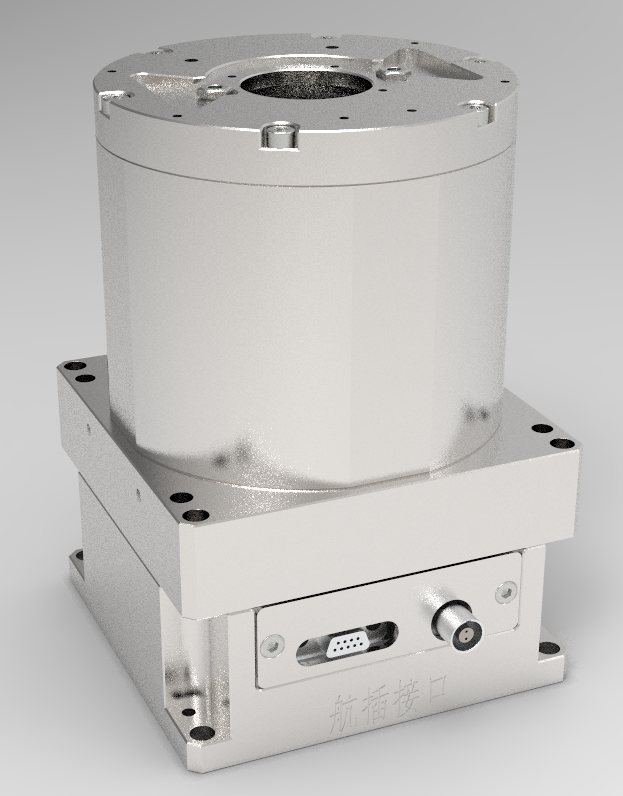
As equipment sensitivity continues increasing, traditional passive vibration isolation methods are gradually reaching their performance limits. Semiconductor manufacturers are therefore adopting active vibration damping technologies capable of real-time disturbance detection and dynamic compensation.
Why Semiconductor Equipment Is Extremely Sensitive to Vibration
Semiconductor manufacturing systems operate at extremely high precision levels. Modern lithography, metrology, wafer inspection, and packaging equipment often require positioning accuracy measured in nanometers.
Under these conditions, vibration sources that previously seemed insignificant can create measurable production instability.
Common vibration sources inside semiconductor facilities include:
-
HVAC system operation,
-
building floor resonance,
-
nearby production equipment,
-
human movement,
-
cooling water systems,
-
mechanical pumps,
-
external traffic vibration,
-
and low-frequency structural oscillation.
Even vibration amplitudes below human perception thresholds may interfere with:
-
wafer alignment,
-
optical imaging stability,
-
laser positioning,
-
autofocus accuracy,
-
and stage motion synchronization.
In advanced process nodes, overlay tolerance margins continue shrinking. This makes vibration damping solution for semiconductor equipment increasingly important in maintaining manufacturing yield.
Passive Isolation Alone Is No Longer Sufficient
Traditional passive isolation systems mainly rely on:
-
pneumatic isolation,
-
rubber damping,
-
spring suspension,
-
or mechanical absorption structures.
These systems can effectively reduce medium- and high-frequency vibration under relatively stable environmental conditions. However, semiconductor manufacturing environments are becoming more dynamic and complex.
Passive systems often struggle with:
-
ultra-low-frequency vibration,
-
changing load conditions,
-
multi-axis motion disturbance,
-
and transient structural resonance.
For example, vibration below 5 Hz is particularly difficult to suppress using purely passive methods. Unfortunately, this frequency range is often highly relevant in semiconductor facilities because building structures and large equipment commonly generate low-frequency oscillation.
As process precision increases, the limitations of passive isolation become increasingly apparent.
Active Vibration Damping Technology Changes the Control Logic
Unlike passive systems that only absorb or mechanically reduce vibration, active vibration damping systems continuously monitor environmental disturbances and generate real-time counteracting forces.
An advanced vibration damping solution for semiconductor equipment typically integrates:
-
acceleration sensors,
-
motion feedback systems,
-
servo control algorithms,
-
precision actuators,
-
and real-time dynamic compensation platforms.
The operating principle is fundamentally different from conventional damping structures.
The system first detects external vibration signals, analyzes frequency and amplitude characteristics, and then actively generates reverse compensation forces to neutralize vibration transmission before it reaches the sensitive equipment platform.
This allows active isolation systems to achieve significantly better low-frequency control performance.
In many semiconductor applications, active systems can reduce vibration transmission in the 1–10 Hz range far more effectively than passive isolation alone.
Why Low-Frequency Vibration Control Matters in Lithography
Lithography systems are among the most vibration-sensitive semiconductor tools.
As EUV and advanced optical lithography technologies continue evolving, positioning precision requirements become increasingly strict. Even extremely small floor vibration may influence:
-
image overlay accuracy,
-
wafer alignment,
-
optical path stability,
-
and stage synchronization.
Low-frequency vibration is especially problematic because it can overlap with structural resonance frequencies inside equipment platforms.
This may lead to:
-
amplification effects,
-
motion instability,
-
reduced throughput,
-
and increased defect rates.
A high-performance vibration damping solution for semiconductor equipment helps stabilize the entire motion environment, allowing lithography systems to maintain repeatable positioning accuracy during high-speed operation.
Motion Control Integration Is Becoming More Important
Modern semiconductor equipment increasingly combines:
-
ultra-fast motion stages,
-
precision robotic handling,
-
laser positioning,
-
and real-time optical feedback.
As a result, vibration isolation can no longer function as an independent subsystem.
The latest vibration damping solution for semiconductor equipment increasingly integrates with:
-
motion controllers,
-
mechatronic systems,
-
precision positioning platforms,
-
and intelligent feedback architecture.
This integration allows:
-
coordinated motion compensation,
-
dynamic load adaptation,
-
and synchronized vibration suppression.
For high-speed wafer handling systems, this coordination improves operational stability while reducing positioning error accumulation.
Structural Design Directly Influences Isolation Performance
Many people focus only on sensor and controller technology when evaluating vibration isolation systems. However, mechanical platform design remains equally important.
An effective vibration damping solution for semiconductor equipment requires careful optimization of:
-
structural rigidity,
-
resonance frequency distribution,
-
center-of-gravity balance,
-
actuator layout,
-
and platform material selection.
Poor mechanical design may create:
-
secondary resonance,
-
delayed feedback response,
-
or unstable compensation behavior.
This is particularly critical in semiconductor applications where equipment weight distribution changes dynamically during operation.
Precision structural engineering therefore remains a core part of active isolation system performance.
Semiconductor Fabs Require Different Isolation Strategies
Not all semiconductor processes generate identical vibration control requirements.
For example:
-
wafer inspection systems prioritize optical stability,
-
metrology systems focus on nanometer-level measurement consistency,
-
lithography tools require ultra-low-frequency isolation,
-
while packaging equipment may emphasize motion synchronization and throughput stability.
A customized vibration damping solution for semiconductor equipment is therefore often more effective than standardized isolation platforms.
Environmental factors also matter significantly.
Floor structure, facility layout, equipment density, and nearby process tools all influence vibration behavior inside a fab environment.
This is why advanced isolation system suppliers increasingly provide:
-
vibration analysis,
-
site measurement,
-
modal simulation,
-
and integrated system optimization.
Active Isolation Improves Yield Stability and Equipment Utilization
The economic value of vibration control extends beyond equipment protection.
In semiconductor manufacturing, process instability directly affects:
-
wafer yield,
-
throughput consistency,
-
calibration frequency,
-
maintenance downtime,
-
and process repeatability.
A more stable vibration environment helps reduce:
-
positioning correction,
-
optical drift,
-
measurement deviation,
-
and process fluctuation.
As semiconductor production costs continue increasing, even small yield improvements can generate substantial financial benefits over long production cycles.
This is one of the primary reasons why advanced fabs increasingly invest in high-performance vibration damping solution for semiconductor equipment instead of relying solely on conventional floor isolation methods.
The Industry Is Moving Toward Fully Integrated Mechatronic Isolation Systems
The future of semiconductor vibration control is moving toward intelligent integrated platforms combining:
-
active isolation,
-
precision motion control,
-
real-time sensing,
-
adaptive control algorithms,
-
and system-level mechatronics integration.
Companies such as Wuhan Glory Road Precision Technology Co., Ltd. focus on advanced active vibration isolation platforms, motion controllers, and fully integrated mechatronic systems for high-precision industrial applications. These technologies are increasingly important in semiconductor manufacturing environments where positioning stability and dynamic vibration suppression directly influence process capability.
Compared with traditional isolation methods, integrated active systems provide stronger adaptability under rapidly changing semiconductor production conditions.
Conclusion
As semiconductor manufacturing enters increasingly advanced process generations, vibration control is becoming a core requirement rather than an auxiliary engineering consideration.
A modern vibration damping solution for semiconductor equipment must address:
-
ultra-low-frequency disturbance,
-
dynamic motion interaction,
-
structural resonance,
-
and real-time environmental variability.
Passive isolation alone is no longer sufficient for many high-precision semiconductor applications. Active vibration damping systems, especially those integrated with motion control and mechatronic architecture, are becoming essential infrastructure for next-generation semiconductor manufacturing.
In an industry where nanometer-level precision directly affects production yield and equipment performance, advanced vibration isolation technology will continue playing a decisive role in maintaining stable and scalable semiconductor manufacturing operations.
www.glroadprecision.com
Wuhan Glory Road Precision Technology Co., Ltd.