Titanium pressure vessels play a crucial role in many industries, providing high-performance, reliable solutions for handling high-pressure environments. Whether used in chemical, aerospace, energy, or marine applications, titanium pressure vessels are essential components that ensure safety, durability, and efficiency. In this article, Qiwei will explore the design, manufacturing process, and key considerations involved in the production of titanium pressure vessels, offering a comprehensive overview of their functionality and importance.
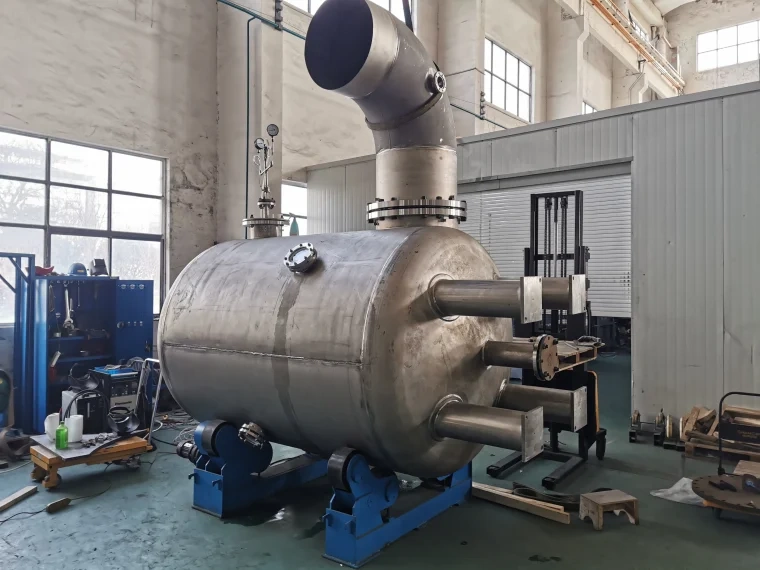
Design Considerations for Titanium Pressure Vessels
The design of a titanium pressure vessel involves a combination of advanced material science, mechanical engineering, and regulatory compliance. Because a titanium pressure vessel is often used in demanding environments such as chemical processing, offshore systems, and aerospace applications, designers must carefully evaluate multiple factors to ensure long-term safety and performance.
Material Selection
Material selection is a critical step in the development of a titanium pressure vessel, as the chosen titanium alloy directly determines strength, durability, and corrosion resistance. Common alloys such as Ti-6Al-4V are widely used in titanium pressure vessel construction due to their excellent strength-to-weight ratio and resistance to aggressive media. Selecting the right alloy ensures that the titanium pressure vessel can maintain structural stability while reducing overall weight and extending service life.
Pressure and Temperature Requirements
A titanium pressure vessel must be engineered to safely withstand both internal and external pressure conditions throughout its operational lifecycle. Engineers calculate allowable pressure limits based on vessel geometry, wall thickness, and material yield strength. Temperature variations are equally important, as many titanium pressure vessel applications involve elevated temperatures. Titanium alloys retain mechanical strength over a wide temperature range, making a titanium pressure vessel suitable for high-pressure and high-temperature environments.
Structural Integrity
Structural integrity is fundamental to the safe operation of any titanium pressure vessel. The vessel’s shape, thickness distribution, and reinforcement zones must be optimized to evenly distribute internal pressure and minimize stress concentrations. High-quality welding is especially important, as weld joints are often the most critical areas in a titanium pressure vessel. Advanced simulation tools such as finite element analysis are commonly used to predict deformation, fatigue behavior, and failure risks under real operating conditions.
Safety Standards
Every titanium pressure vessel must comply with recognized international safety standards. Codes such as the ASME Boiler and Pressure Vessel Code establish strict requirements for the design, fabrication, inspection, and testing of a titanium pressure vessel. Compliance with these standards ensures not only regulatory approval but also reliable performance and operational safety throughout the vessel’s service life.
Manufacturing of Titanium Pressure Vessels
The manufacturing of a titanium pressure vessel requires specialized processes tailored to the unique properties of titanium. From raw material preparation to final inspection, each manufacturing stage plays a vital role in ensuring the quality and safety of the finished titanium pressure vessel.
Material Preparation
The production of a titanium pressure vessel begins with careful material preparation. Titanium alloys must be handled in clean environments to prevent contamination that could compromise the performance of the titanium pressure vessel. Sheets, plates, or forged components are selected according to the vessel design, ensuring consistent material properties throughout the structure.
Forming and Shaping
Forming operations for a titanium pressure vessel include forging, rolling, extrusion, and deep drawing. These processes shape the titanium alloy into the required geometry while maintaining mechanical strength. Because titanium has high strength and low ductility compared to steel, forming a titanium pressure vessel requires precise control and specialized equipment to avoid defects or residual stress.
Welding and Joining
Welding is one of the most sensitive processes in titanium pressure vessel fabrication. To ensure strong, contamination-free joints, welding methods such as TIG welding or electron beam welding are commonly used. A controlled atmosphere is essential, as even minor contamination can reduce the strength and fatigue resistance of a titanium pressure vessel weld seam.
Pressure Testing
After fabrication, each titanium pressure vessel undergoes rigorous pressure testing to verify structural integrity. Hydrostatic testing simulates real operating conditions, while non-destructive testing methods such as ultrasonic or radiographic inspection detect internal defects. These tests confirm that the titanium pressure vessel meets all design and safety requirements before commissioning.
Finishing and Inspection
Final finishing improves the surface quality and cleanliness of the titanium pressure vessel. A comprehensive inspection ensures dimensional accuracy, weld integrity, and compliance with applicable standards. Only after passing all inspections is the titanium pressure vessel approved for service.
Maintenance and Longevity of Titanium Pressure Vessels
One of the major advantages of a titanium pressure vessel is its exceptional durability and resistance to corrosion, resulting in a long service life with relatively low maintenance demands.
Regular Inspections
Routine inspections are essential to maintaining the safety of a titanium pressure vessel. Periodic visual inspections and non-destructive testing help identify early signs of fatigue, mechanical damage, or weld degradation. Regular monitoring ensures that the titanium pressure vessel continues to operate safely under high-pressure conditions.
Cleaning and Maintenance
Although titanium pressure vessels are highly corrosion resistant, regular cleaning is still important to remove chemical residues and contaminants. Proper cleaning practices help maintain the internal integrity and operational efficiency of the titanium pressure vessel, especially in chemical or high-purity applications.
Replacement of Parts
Over time, auxiliary components such as seals, gaskets, and valves associated with a titanium pressure vessel may require replacement. Using compatible, high-quality replacement parts helps preserve pressure containment and ensures the continued safe operation of the titanium pressure vessel.
Conclusion
Titanium pressure vessels are a vital part of many industries, providing safe, reliable, and long-lasting solutions for handling high-pressure environments. The careful design, precise manufacturing process, and rigorous testing involved in creating these vessels ensure their performance and durability. While they are known for their long service life and low maintenance, regular inspections and careful maintenance are still necessary to ensure the continued safety and efficiency of titanium pressure vessels in critical applications.
https://www.tnztn.com/titanium-pressure-vessels-ensuring-strength-and-safety.html
https://www.tnztn.com/Titanium-Pressure-Vessel
www.tnztn.com
Wuxi Qiwei Nonferrous Technology Co., Ltd.