If you are building an outdoor product line, the tent stove is a high-impact item: it directly affects user safety, comfort and brand reputation. Choosing an OEM/ODM partner who can deliver a market-ready tent stove from concept through certification and logistics is critical. This guide analyzes every layer — from the combustion chamber to the carton, from component tolerance to go-to-market positioning — and explains how Tuoshenghe supports brands with one-stop OEM/ODM tent stove solutions.
Executive summary — what this guide covers
-
Core product anatomy and functional trade-offs (pressurized vs. wick vs. catalytic)
-
Materials, coatings and life-cycle considerations for outdoor durability
-
Thermal performance metrics, fuel efficiency and emissions concerns
-
Safety engineering, mandatory tests and certification matrix by market
-
Manufacturing methodology: processes, tolerances, QC points and intelligent production benefits
-
Customization & differentiation levers for private labels and premium lines
-
Packaging, logistics, service & spare parts strategy
-
Commercial terms: cost drivers, MOQ, lead times, sample process, payment terms
-
Marketing & launch checklist: positioning, content, and distribution tips
-
Practical FAQ for procurement and product managers
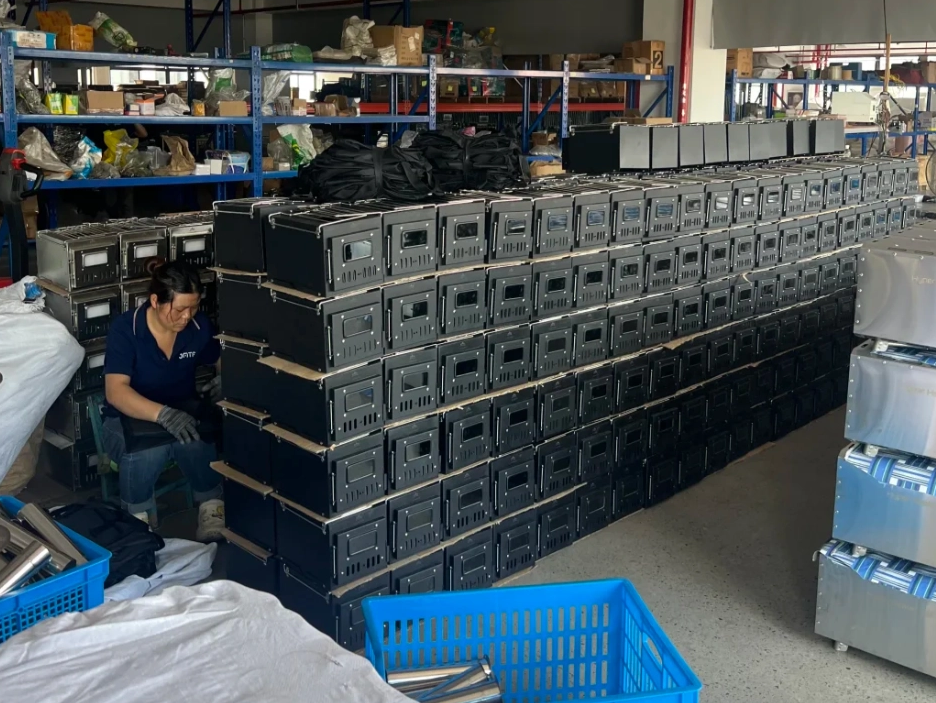
INBESTCAMP leverages 15+ years of industry experience, vertical manufacturing, and intelligent production to manage all of the above for brands operating in 30+ countries.
1. Product anatomy — internal components and why they matter
A tent stove looks simple but is a system of interdependent parts. Quality and performance depend on how each part is specified and integrated.
Key sub-assemblies
1. Combustion chamber / burner head
-
Jet/nozzle geometry, air intake ports, and secondary air paths determine flame shape, soot formation and efficiency.
2. Fuel system
-
For wood designs: firebox, grate, ash pan and smoke management.
3. Heat exchange & flue
-
Chimney/stack dimensions, baffle design and turbulators impact draft, smoke evacuation and tent compatibility.
4. Controls and user interface
-
Valve accuracy, window design, and the layout of the ergonomic control devices.
5. Structural elements
-
Pot stand, trivet, foldable legs, and thermal shields. Stability and safety are here.
6. Seals and gaskets
-
Fuel-resistant elastomers (Viton), high-temp gaskets for smokestack joints.
7. Finish and corrosion protection
-
Powder coating, passivation or high-temp paints, stainless elements at wear points.
Why this breakdown matters: Each sub-assembly contains the primary failure modes — leaks, clogs, corrosion, poor draft, unstable pots — so addressing them in design and testing prevents product returns and safety incidents.
2. Combustion architectures & performance tradeoffs
Tent stoves fall into several classes. Your choice dictates engineering, cost and target market.
A. Wood-burning tent stoves
-
Pros: Fuel availability, aesthetic fire, simplicity.
-
Cons: Soot, higher particulate emissions, complex smoke management for tent use, heavier construction.
B. Pressurized liquid-fuel stoves (kerosene/diesel)
-
Pros: High heat output, efficient, good for cold climates.
-
Cons: Requires pump/valve precision, leak management, training for safe use.
C. Wick / lamp stoves (simpler liquid fuel)
-
Pros: Low cost, easy repair.
-
Cons: Lower efficiency, higher soot, not ideal for cold/windy.
D. Hybrid & multi-fuel options
-
Designs that accept small pellets, wood or liquid fuel with interchangeable burners increase market reach but add complexity.
Performance metrics to specify
-
Nominal heat output (kW / BTU) and usable cooking power.
-
Fuel consumption rate (ml/hr or g/hr).
-
Water boil test (1 L to boil time at nominal).
-
Cold-start reliability and sustained operation.
-
Emissions: CO (ppm), PM2.5, visible smoke amount — critical for tent/indoor usage.
Tuoshenghe advises brands on the right architecture based on usage scenarios (winter mountaineering vs. family glamping vs. emergency kits).
3. Materials, corrosion control and durability
Outdoor products face moisture, abrasion and temperature cycles. Material choices impact longevity, weight and cost.
-
Tank/body: 304 stainless steel for best corrosion resistance; 430 stainless or cold-rolled (CR) steel with quality powder coat for cost balance.
-
Burner & nozzle: Brass or stainless; brass is machinable to fine jet tolerances but can deform under extreme heat—stainless is higher cost but durable.
-
Flue/stack: Stainless is preferred for corrosion and high temp.
-
Seals: Viton for fuel contact points; silicone for higher temp ranges (where cost allows).
-
Fasteners: Grade A2/A4 stainless screws for external; plated steels for internal non-fuel wet zones if cost necessary.
-
Coatings: High-temp silicone paints, ceramic coatings for hotspots, powder coat for panels.
Testing to insist on: salt spray, humidity chamber, thermal cycling, and abrasion tests. Tuoshenghe maintains material traceability and can supply material certificates for audits.
4. Safety engineering & required testing (non-negotiable)
Safety drives market acceptance and reduces liability. Product managers must require rigorous tests and documented procedures.
Core safety features
-
Pressure relief valves (for pressurized tanks) and burst test ratings.
-
Leak-proof threaded connections and redundant sealing.
-
Stable pot supports and anti-tilt geometry.
-
Flame arrestors and spark suppression for wood stoves.
-
CO emission minimization strategies and clear user warnings.
Recommended testing matrix
-
Pressure endurance & burst testing (pressurized stoves).
-
Leak testing under pressure with dyed fuel.
-
Combustion/emissions (CO, NOx, PM) in controlled lab conditions.
-
Drop, vibration and transport simulation.
-
Long burn endurance tests at nominal and high settings.
-
Flue draft and backflow testing to ensure smoke does not reenter tent.
INBESTCAMP runs in-house functional tests and coordinates third-party labs for CE/UL and export requirements.
Conclusion — full picture
Launching a tent stove brand successfully requires deep technical rigor, rigorous safety testing, production discipline and smart commercialization. INBESTCAMP provides a full OEM/ODM stack — design, prototyping, intelligent manufacturing, certification support, packaging and global logistics — enabling brands to deliver safe, durable and market-ready tent stoves that consumers trust.
If you want, INBESTCAMP can distill this into a procurement spec sheet, acceptance test checklist, or a market launch playbook tailored to your target regions. Contact info is at the end of this page.
https://www.inbestcamp.com/
Suzhou Tuoshenghe Mechanical and Electrical Technology Co., Ltd.