In modern healthcare and scientific research environments, bio waste disposal plays a vital role in protecting human health, maintaining safe working conditions, and preventing environmental contamination. Laboratories, hospitals, and research facilities generate large volumes of biological and hazardous waste every day. Without proper treatment and disposal systems, these materials can pose serious risks to staff, communities, and ecosystems.
As regulatory requirements and environmental awareness continue to increase, institutions are adopting advanced waste treatment technologies to ensure safe and compliant disposal. Efficient bio waste disposal systems help organizations manage hazardous waste responsibly while improving operational safety and environmental protection.
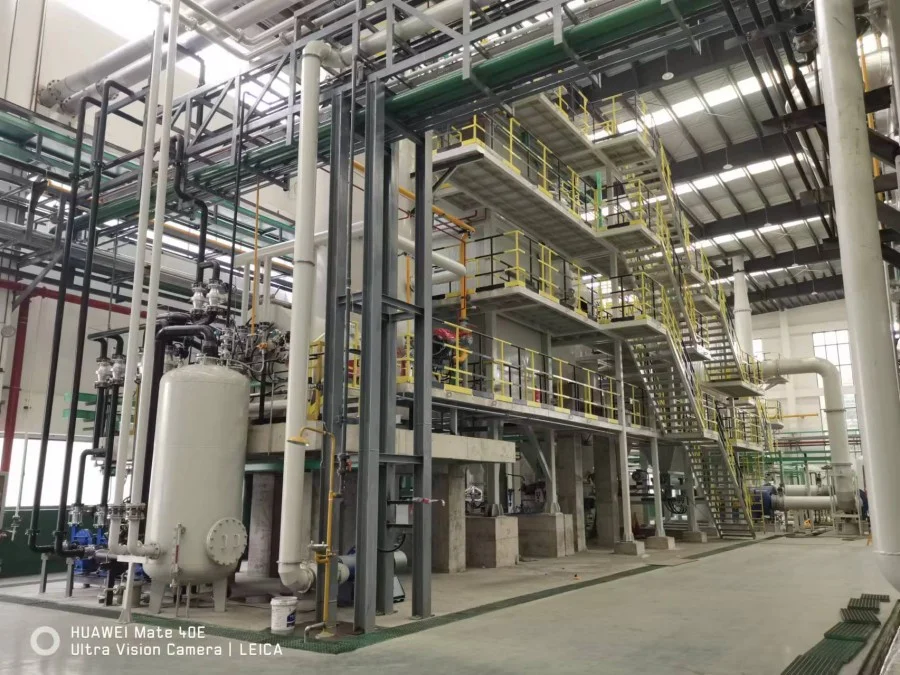
Understanding Bio Waste in Medical and Research Environments
Bio waste refers to waste materials that originate from biological, medical, or research-related activities. These materials may contain infectious agents, toxic chemicals, or contaminated substances that require specialized treatment before final disposal.
Common examples of bio waste generated in laboratories, hospitals, and research facilities include:
-
Infectious medical waste such as used syringes, bandages, and surgical materials
-
Laboratory cultures and biological samples
-
Chemical and pharmaceutical residues
-
Contaminated disposable protective equipment
-
Organic liquid waste and hazardous solvents
Because these materials may carry pathogens or harmful compounds, improper disposal can result in severe health hazards and environmental pollution.
Protecting Public Health and Workplace Safety
One of the primary reasons efficient bio waste disposal is essential is the protection of public health. Medical and laboratory waste can contain dangerous bacteria, viruses, and other microorganisms capable of spreading infectious diseases.
If waste is not properly treated, it can lead to:
-
Cross-contamination within medical facilities
-
Exposure risks for healthcare workers and researchers
-
Spread of infectious diseases in surrounding communities
-
Contamination of landfills and water systems
Modern bio waste disposal technologies, especially high-temperature incineration systems, are designed to completely destroy pathogens and hazardous substances, ensuring that waste is rendered harmless before final disposal.
Ensuring Compliance with Environmental Regulations
Governments and environmental agencies around the world have established strict regulations for the treatment and disposal of medical and hazardous waste. Hospitals, laboratories, and research institutions must comply with these standards to avoid legal penalties and operational disruptions.
Regulations typically require:
-
Proper classification of hazardous waste
-
Secure storage and transportation procedures
-
Approved treatment technologies
-
Controlled emissions during disposal
Efficient bio waste disposal systems allow organizations to meet these regulatory requirements while maintaining safe and transparent waste management practices.
Advanced Incineration Technology for Hazardous Waste Treatment
High-temperature incineration is widely recognized as one of the most reliable methods for handling hazardous biological waste. Incineration systems destroy organic contaminants and pathogens by exposing waste materials to extremely high temperatures, significantly reducing waste volume and eliminating health risks.
Aoli Environmental Protection Technology Co., Ltd., a professional incinerator manufacturer, develops advanced equipment specifically designed for treating complex waste streams such as medical waste, hazardous chemicals, organic exhaust gases, and industrial residues.
Their technologies support industries that require safe, efficient, and environmentally responsible waste disposal solutions.
Specialized Equipment for Different Waste Streams
Different types of bio waste require specialized treatment equipment to ensure safe and effective disposal. Aoli Environmental Protection Technology Co., Ltd. offers a variety of incineration systems designed to address specific waste management needs.
Medical Waste Pyrolysis Furnaces
These systems are designed to safely treat infectious medical waste generated by hospitals and healthcare facilities. High-temperature pyrolysis technology ensures complete destruction of pathogens and organic contaminants.
Process Waste Incinerators
Industrial laboratories and research facilities often generate process waste containing organic compounds and hazardous materials. Process waste incinerators help treat these complex waste streams efficiently.
Waste Liquid Incinerators
Many laboratories produce hazardous liquid waste such as solvents, reagents, and chemical residues. Waste liquid incinerators are designed to safely dispose of these materials while minimizing environmental impact.
Waste Gas Incinerators and RTO Systems
Organic exhaust gases and volatile organic compounds (VOCs) produced during research or industrial processes can cause serious air pollution. Regenerative Thermal Oxidizers (RTO) are highly effective systems for treating these emissions.
Hazardous Waste Rotary Kiln Incinerators
Rotary kiln incinerators are capable of handling a wide range of hazardous waste forms, including solid, liquid, and semi-solid materials, making them suitable for complex waste treatment scenarios.
Heat Energy Recovery Systems
Modern incineration facilities can also incorporate heat recovery systems, allowing organizations to reuse thermal energy generated during waste treatment, improving energy efficiency and sustainability.
Reducing Environmental Impact
Effective bio waste disposal is not only about eliminating hazardous materials but also about minimizing environmental impact. Advanced incineration systems incorporate emission control technologies to ensure that pollutants released during waste treatment remain within regulatory limits.
These systems often include:
-
Flue gas purification equipment
-
Dust removal systems
-
Acid gas treatment technologies
-
Continuous emissions monitoring systems
By integrating these technologies, modern bio waste disposal solutions help organizations protect the environment while maintaining safe waste treatment operations.
Supporting Sustainable Healthcare and Research
As sustainability becomes a global priority, healthcare institutions and research facilities are increasingly seeking environmentally responsible waste management strategies. Efficient bio waste disposal systems contribute to sustainability by reducing waste volume, improving energy efficiency, and preventing environmental contamination.
Technologies developed by companies like Aoli Environmental Protection Technology Co., Ltd. combine reliable waste treatment with energy recovery and emission control, helping organizations achieve both operational efficiency and environmental responsibility.
Conclusion
Efficient bio waste disposal is essential for laboratories, hospitals, and research facilities to maintain safe operations, protect public health, and comply with environmental regulations. Hazardous biological and chemical waste requires specialized treatment systems that can effectively eliminate contaminants while minimizing environmental impact.
With advanced technologies such as medical waste pyrolysis furnaces, rotary kiln hazardous waste incinerators, RTO systems, and heat recovery equipment, manufacturers like Aoli Environmental Protection Technology Co., Ltd. provide comprehensive solutions for modern waste management challenges. By investing in efficient bio waste disposal systems, organizations can ensure safer workplaces, cleaner environments, and more sustainable operations.
www.jsalfsl.com
Jiangsu Aoli Environmental Protection Technology Co., Ltd.