In today’s chemical logistics and industrial packaging sector, packaging efficiency involves much more than simply maximizing container capacity. Safety, handling efficiency, regulatory compliance, durability, and environmental responsibility are all essential considerations. Within this context, the 20L US plastic pail has become a practical packaging option for chemical storage and transportation, offering a useful combination of capacity, strength, and ease of handling.
A reliable 20L pail serves a much greater purpose than simply holding materials. It can influence product protection, transportation safety, warehouse organization, and overall supply chain efficiency. This article examines how 20L US plastic pails support chemical storage and logistics while highlighting how manufacturers such as DukeV are improving industrial packaging through advanced production technologies, material selection, and sustainable development.
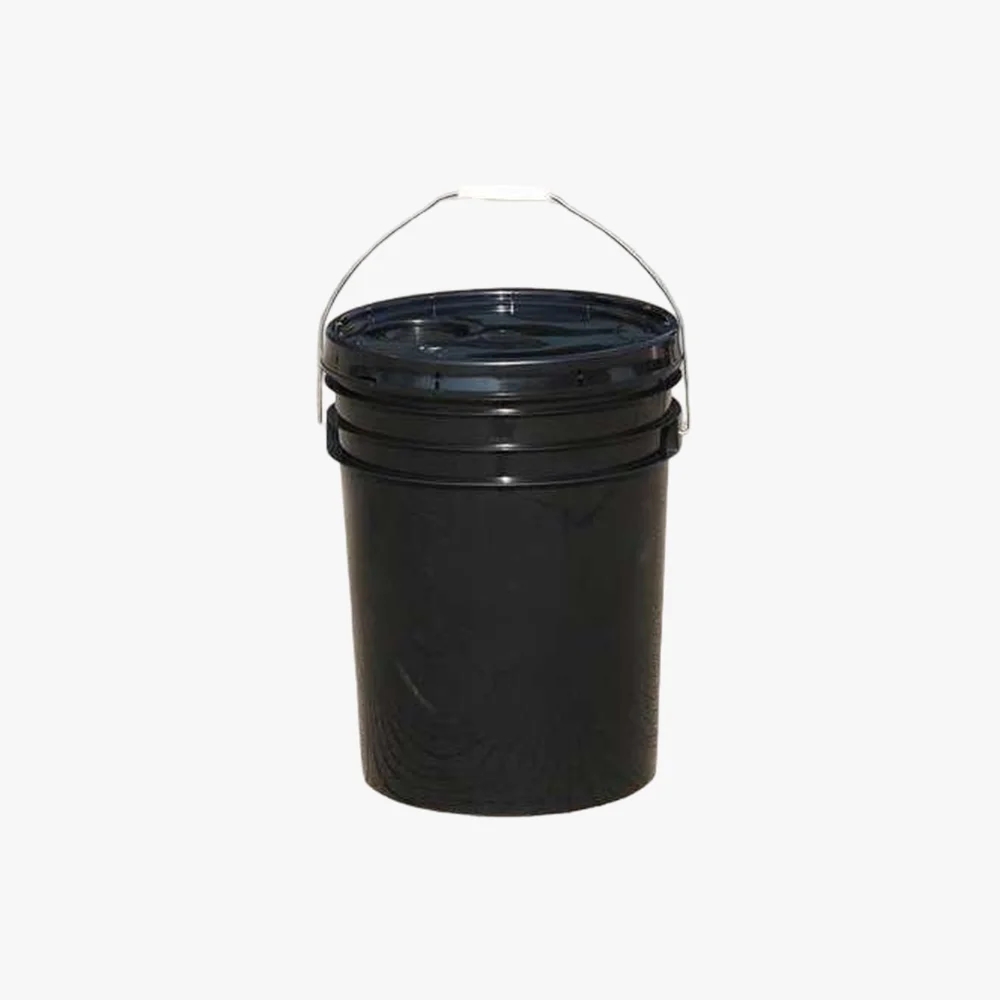
Why 20L US Plastic Pails Are Widely Used in Industrial Packaging
The 20L format is widely used across chemical and industrial markets because it provides a practical compromise between capacity and portability. The container can hold a useful quantity of material without becoming excessively difficult to move, making it suitable for manual handling, warehouse storage, and palletized transportation.
Products such as coatings, lubricants, adhesives, printing inks, and specialty chemicals are frequently packaged in this size. Compared with smaller containers, 20L packaging can reduce the number of individual units required and simplify handling. At the same time, it offers greater flexibility than large drums when products need to be distributed or dispensed in moderate quantities.
A properly engineered 20L US plastic pail can therefore support industrial requirements including secure closure, stacking stability, mechanical strength, and resistance to a variety of chemical environments.
Improving Safety During Chemical Storage
Chemical storage requires containers that can maintain their structural and sealing performance over extended periods. Depending on the material being stored, exposure to moisture, oxygen, temperature fluctuations, and mechanical impacts can create significant packaging challenges.
20L plastic pails can address these concerns through several important design features.
1. High Mechanical and Impact Resistance
Industrial pails are commonly produced from materials such as polypropylene (PP) or high-density polyethylene (HDPE). These polymers provide good mechanical strength and help containers withstand impacts, handling operations, and stacking loads.
A properly manufactured pail is less likely to crack or lose its shape during routine warehouse handling, helping protect the contents throughout the storage cycle.
2. Secure Closure and Sealing
Preventing leakage and contamination is particularly important when packaging chemicals. A well-engineered lid and sealing system can help minimize exposure to outside contaminants while reducing the possibility of leakage or evaporation.
Depending on the application, additional features such as tamper-evident designs and reinforced sealing structures can provide another layer of protection.
3. Chemical Resistance
Not every plastic material is suitable for every chemical. Container selection must take into account the characteristics of the packaged substance and its compatibility with the container material.
When the appropriate polymer and container design are selected, plastic pails can provide strong resistance against many industrial substances, including certain acids, alkalis, oils, and solvents.
4. Stable Stacking
Standardized pail dimensions also contribute to more organized warehouse storage. Stackable structures make better use of vertical space and can help reduce unnecessary movement of containers.
For facilities handling large quantities of packaged chemicals, improved stacking stability can contribute to safer and more efficient warehouse operations.
Increasing Transportation and Handling Efficiency
Packaging performance becomes particularly important during transportation. Industrial containers may experience vibration, compression, repeated loading and unloading, and changes in environmental conditions during shipment.
The 20L US plastic pail can improve logistics performance in several practical ways.
Better Pallet Utilization
The standardized 20L format is suitable for palletized distribution. Properly designed dimensions allow containers to be arranged efficiently, helping reduce unused pallet space and improve load organization.
This can be particularly valuable for businesses transporting large quantities of industrial materials through domestic and international supply chains.
Lower Risk of Container Damage
Plastic containers can maintain consistent performance in humid environments and do not face the same corrosion concerns associated with certain metal packaging. Their impact resistance also helps them withstand routine transportation and handling.
Reduced Packaging Weight
Compared with many metal alternatives, plastic containers can offer a lower empty-container weight. Reducing packaging weight can help lower the overall weight of shipments and make manual handling easier.
Easier Manual Handling
Many industrial pails incorporate handles designed for carrying, moving, and pouring. Ergonomic handle structures can make routine material handling more convenient while reducing unnecessary physical effort for operators.
Manufacturing Technology Behind Reliable Plastic Pails
The quality of an industrial plastic pail depends not only on its design but also on the consistency of its manufacturing process. Material control, mold precision, injection molding parameters, and inspection procedures all influence the final performance of the container.
DukeV has established a production system covering material selection, mold engineering, and automated injection molding. Founded in January 2022 and based in Changzhou, Jiangsu Province, the company develops plastic packaging products ranging from 100ml to 50L.
Its manufacturing capabilities include:
-
15 injection molding machines ranging from 80T to 780T
-
2 ultrasonic welding machines
-
1 automotive-grade heat transfer printing machine
-
Annual production capacity of approximately 8,500 tons
This production infrastructure enables DukeV to provide consistent plastic packaging for different industrial applications and supply chain requirements.
The Importance of Material and Mold Engineering
For chemical packaging, material consistency and structural precision are fundamental to long-term reliability. Small variations in raw materials or manufacturing conditions can affect a container’s strength, dimensional stability, and chemical resistance.
Controlled Raw Materials
Carefully selected polymer materials provide the foundation for mechanical durability and chemical compatibility. Consistent raw material quality also helps manufacturers maintain stable product performance between production batches.
Precision Mold Manufacturing
Mold design directly influences wall thickness, container dimensions, reinforcement areas, and sealing surfaces. Precision tooling helps ensure that each pail maintains the intended structure and dimensions.
Consistent Injection Molding
Modern injection molding technology enables manufacturers to control production parameters more accurately. Better process control can reduce defects, improve dimensional consistency, and support large-scale production of industrial-grade containers.
Moving Toward More Sustainable Industrial Packaging
Sustainability has become an increasingly important consideration for industrial packaging manufacturers. However, environmental improvements must be achieved without compromising the safety and durability required for chemical applications.
DukeV incorporates green development into its packaging strategy by focusing on several areas:
-
Reducing unnecessary material consumption through optimized designs
-
Improving the recyclability of plastic packaging
-
Developing lightweight structures without sacrificing required strength
-
Supporting recycling and circular-economy approaches
For industrial packaging, sustainability is increasingly becoming an engineering challenge rather than simply a marketing objective. Improving material efficiency while maintaining reliable performance can help manufacturers and customers reduce waste throughout the product lifecycle.
Quality Control and Compliance for Industrial Applications
Chemical packaging must meet demanding quality and safety requirements. Reliable production therefore requires quality control at multiple stages rather than relying only on final inspection.
DukeV's quality management process covers areas including:
-
Incoming raw material inspection
-
Manufacturing process monitoring
-
Finished-product testing
-
Packaging and transportation checks
-
Customer feedback and after-sales improvement
In June 2022, DukeV obtained ISO9001, ISO14001, and ISO45001 certifications. These certifications reflect its focus on quality management, environmental management, and occupational health and safety.
In addition, selected containers are UN-certified for solid hazardous goods. Such certification can make suitable products applicable to regulated chemical transportation where the relevant packaging requirements are met.
Applications Across Different Industrial Sectors
The flexibility of 20L plastic pails allows them to serve many industries and product categories. Typical applications include:
-
Chemical manufacturing and distribution
-
Industrial lubricants and oils
-
Paints, coatings, and printing inks
-
Adhesives, resins, and related materials
-
Food-grade bulk ingredients when appropriate certification is available
-
Hardware and industrial maintenance products
Using a standardized container format across multiple product lines can also simplify warehouse management, handling procedures, and transportation planning.
Future Trends in Industrial Plastic Packaging
Industrial packaging is evolving as customers increasingly demand customized designs, stronger safety features, improved usability, and better environmental performance.
Future development of plastic pails is likely to focus on areas such as:
-
Application-specific container designs
-
Improved tamper-evident and anti-counterfeiting features
-
More ergonomic handles and handling structures
-
Material-saving lightweight designs
-
Greater use of recyclable and environmentally responsible materials
For manufacturers, combining customer requirements with engineering expertise will be increasingly important. Packaging must not only protect the contents but also integrate smoothly into modern production, storage, transportation, and distribution systems.
Conclusion
The 20L US plastic pail has become an important industrial packaging format because it combines practical capacity with durability, handling convenience, stacking efficiency, and versatile application potential. For chemical storage and transportation, the right container can help protect product quality while reducing handling challenges and improving logistics efficiency.
DukeV supports this market through controlled material selection, precision mold engineering, injection molding capabilities, systematic quality management, and an ongoing focus on sustainable packaging development. As industrial supply chains continue to place greater emphasis on safety, efficiency, compliance, and environmental responsibility, well-engineered plastic pails will remain an important part of modern chemical and industrial packaging solutions.
www.dukevplastic.com
DukeV Plastics