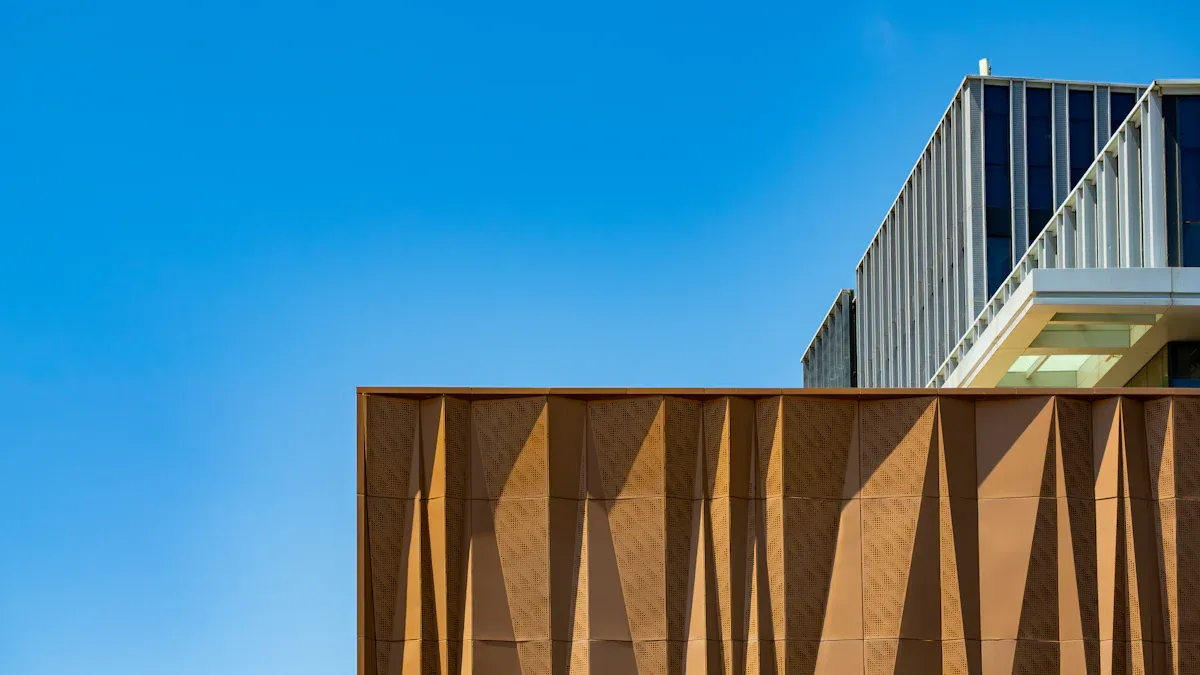
You see modular facade systems for commercial office skyscrapers transform the way you approach building design in 2026. With rapid off-site manufacturing, you achieve faster project timelines and consistent quality. You benefit from minimized weather delays, less on-site waste, and a growing focus on energy-efficient, smart building envelopes.
Key Takeaways
- Modular facade systems speed up construction by 20 to 50 percent, allowing you to complete projects faster.
- These systems offer customization options that reflect your brand identity, enhancing your building’s appeal.
- Integrating sustainable technologies, like solar panels and green walls, helps reduce energy costs and supports environmental goals.
Core Features of Modular Facade Systems for Commercial Office Skyscrapers
Adaptability to Diverse Architectural Styles
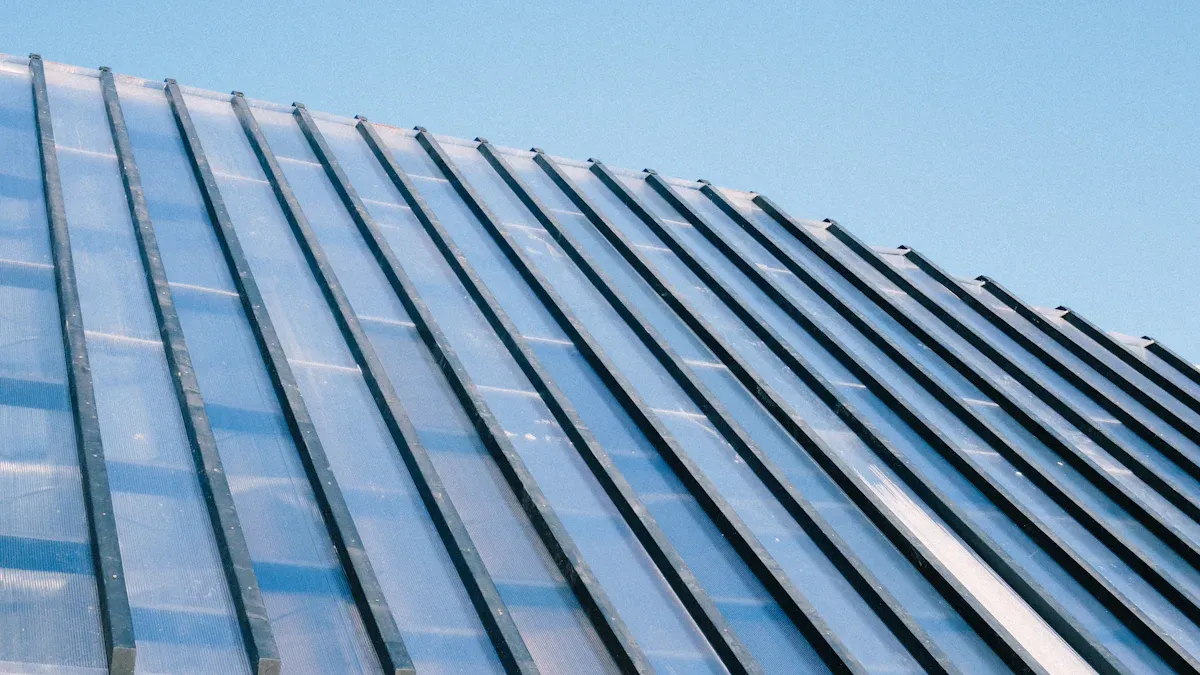
You gain unmatched flexibility when you choose modular facade systems for commercial office skyscrapers. These systems adapt to a wide range of architectural styles, from sleek modern towers to classic corporate headquarters. You select from a variety of textures, finishes, and structural profiles. Stone, matte aluminum, and wood grain options allow you to match the building’s exterior to your vision. You can route, groove, or laser cut panels to create unique shapes and patterns. This adaptability ensures your project stands out, whether you want a minimalist look or a bold, expressive facade.
Modular facade systems for commercial office skyscrapers are engineered to meet stringent codes and standards. Factory-made panels deliver consistent quality and predictable performance. You streamline the construction process and reduce risks associated with on-site assembly. Comprehensive documentation supports compliance with U.S. codes and international standards.
Customization for Brand Identity and Functionality
You tailor the facade to reflect your company’s brand identity and meet specific business needs. Modular office buildings offer customization in dimensions, partitions, and rooms. You incorporate aesthetic details that showcase your brand, enhancing prestige and attracting customers. Custom color matching aligns the facade with your corporate palette. Perforated or back-lit panels provide opportunities for signage and branding.
- You select textures and finishes that reinforce your brand image.
- You integrate signage directly into the facade for a landmark effect.
- You use routed or laser-cut panels to create distinctive designs.
- You choose custom colors to match your corporate identity.
The facade of the Santa Clara County facility features its building number perforated onto massive metal panels, creating a striking first impression. At Nashville International Airport, a custom photoreal exterior treatment pays homage to local history, demonstrating how modular facades can tell a story and reflect identity.
You also address functional requirements with modular facade systems. Insulated panels improve energy efficiency. You integrate solar technologies, such as building-integrated photovoltaics (BIPV), to support sustainability goals. Design flexibility allows you to select exterior finishes that meet tenant preferences. You benefit from faster construction and reduced on-site labor.
Integration with Sustainable Technologies
You advance sustainability by integrating innovative technologies into modular facade systems for commercial office skyscrapers. Adaptive textile facades respond dynamically to environmental changes, improving energy efficiency. Green facade systems, including climbing plants and modular living walls, enhance biodiversity and thermal performance. These living walls offer unlimited height potential and dense coverage, helping combat the urban heat island effect.
Artificial Intelligence (AI) optimizes green facades by analyzing climate data and suggesting ideal plant layouts. You achieve minimal maintenance and long-term sustainability. IoT-enabled facades manage environmental conditions adaptively. High-performance glazing and dynamic shading solutions further boost energy efficiency. You use lightweight, recyclable materials and digital manufacturing tools, such as BIM and 3D printing, to streamline production and reduce waste.
- Adaptive textile facades enhance sustainability.
- Modular living walls improve biodiversity and thermal comfort.
- IoT-enabled systems provide adaptive environmental management.
- High-performance glazing and shading solutions increase energy efficiency.
- Lightweight, recyclable materials support green building goals.
You create a building envelope that aligns with environmental and operational objectives. You meet long-term sustainability targets while maintaining high performance and architectural appeal.
Real-World Applications of Modular Facade Systems for Commercial Office Skyscrapers
Recent Landmark Projects and Case Studies
You see modular facade systems for commercial office skyscrapers making a significant impact on global skylines. Many recent projects showcase the versatility and innovation of these systems:
- Qbiss Notch stands out with its vertically installed panels and integrated lighting. This award-winning system demonstrates how prefabricated construction can deliver both efficiency and striking design.
- Piraeus Tower in Greece, completed in 2023, revitalizes an abandoned landmark. The new facade transforms the building into the country’s first green and digital skyscraper.
You learn valuable lessons from these projects. Unitized curtain wall systems allow you to enclose high-rise buildings quickly. This approach lets you start interior work sooner, saving weeks or even months on your schedule. You also achieve high-quality finishes and meet strict building codes. Manufacturers like PAC-CLAD, Dextall, and Lindner Group have proven the flexibility and efficiency of modular prefabricated aluminum facades.
Measurable Outcomes: Speed, Cost, and Performance
You benefit from measurable improvements when you use modular facade systems for commercial office skyscrapers. Modular construction can reduce your project timeline by 20 to 50 percent compared to traditional methods. Labor costs drop by 16 to 25 percent because you need fewer workers on-site. Material waste decreases by up to 90 percent, which lowers your overall material costs.
Modern modular facades also enhance building performance. Adaptive systems manage daylight and heat gain, reducing energy consumption. You create comfortable spaces for occupants by optimizing natural light and temperature. These improvements support your sustainability goals and boost the value of your property.
Innovations and Trends in Modular Facade Systems for Commercial Office Skyscrapers in 2026
Circular Economy Principles in Facade Design
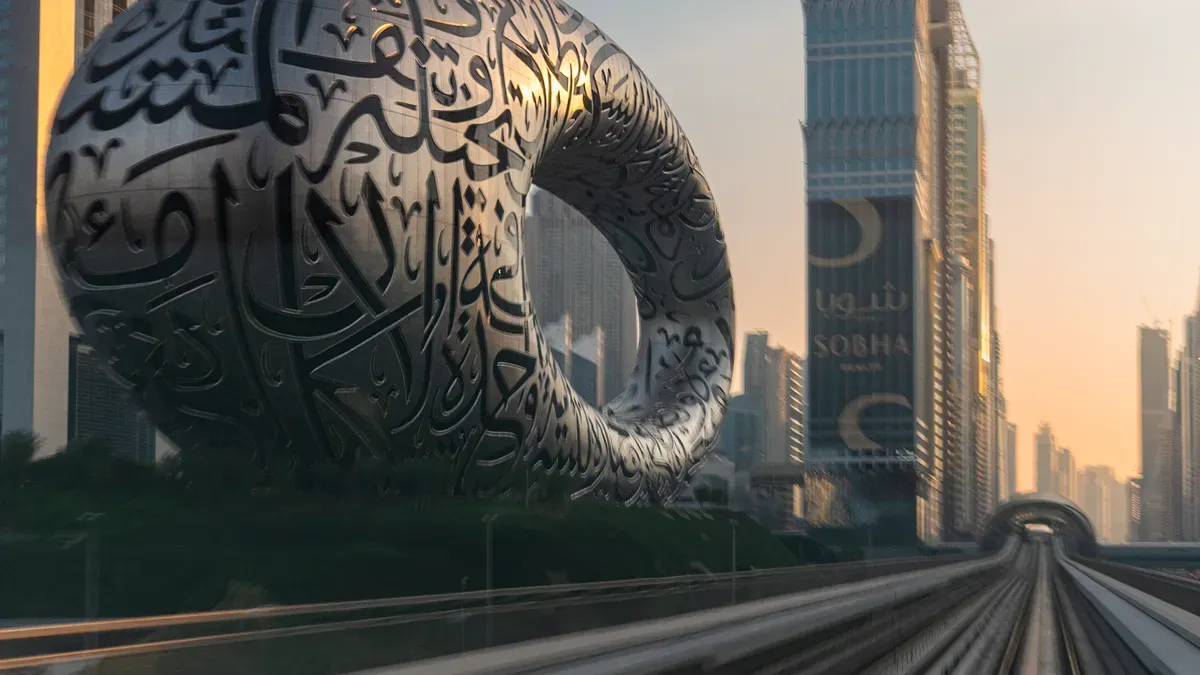
You see circular economy principles reshape how you approach facade design. Design for disassembly lets you reuse and recycle components, supporting sustainability goals. Adaptive facades, such as ZERAF technology, improve energy efficiency and resilience. Modular and reusable designs help you integrate ecological systems and manage energy more effectively. When you use recyclable materials and environmentally safe components, you lower the environmental impact of production. Factory fabrication and optimized logistics reduce construction waste and resource consumption.
- Recyclable materials minimize waste.
- Environmentally safe components ensure sustainable production.
Energy Generation and Smart Facade Technologies
You benefit from advanced energy generation and smart facade technologies. Building-integrated photovoltaics (BIPV) and modular solar panels reduce installation time by up to 30 percent. These systems withstand extreme conditions and qualify for sustainability incentives.
| Feature | Description |
|---|---|
| Installation Efficiency | Modular, factory-assembled BIPV systems reduce installation time by up to 30%. |
| Durability | Tested for UV exposure, freeze-thaw cycles, and high winds. |
| Financial Incentives | Projects qualify for rebates and green energy grants. |
Smart facade technologies enhance building performance. Dynamic shading, smart ventilation, and sun-tracking movements lower energy consumption and improve indoor comfort. Automatic adjustments based on sensors protect your building during storms and reduce manual maintenance.
Smart glass and artificial intelligence optimize energy use and maximize occupant comfort.
Advanced Materials and Manufacturing Techniques
You rely on advanced materials to improve durability and thermal performance. Aluminum and aluminum composite panels provide lightweight strength and integrated insulation. Ultra-high-performance concrete allows for greater design flexibility. Advanced glazing reduces heat transfer and enhances performance. Smart materials adapt to environmental conditions and reduce maintenance.
- Prefabricated panels arrive ready for installation, increasing speed and efficiency.
- Just-in-time delivery minimizes storage needs and damage risk.
- Factory and on-site testing ensure high standards.
You see modular facade systems for commercial office skyscrapers evolve with these innovations, meeting regulatory standards and market demands for speed, efficiency, and sustainability.
Practical Considerations for Modular Facade Systems in Commercial Office Skyscrapers
Installation Speed and Logistics
You experience a dramatic reduction in on-site labor when you choose prefabricated panel systems. For example, the D Wall® system reduces on-site labor by 87% compared to traditional construction. You can expect a lead time of about 16 weeks from shop drawing approval to installation. This approach allows you to begin facade installation even before the main structure is complete, which optimizes your project timeline.
However, you must address several logistical challenges during installation. The table below outlines common issues and their solutions:
| Challenge Type | Description |
|---|---|
| Site Logistics Constraints | Physical limitations at the site can affect installation. |
| Interface Coordination | Aligning the facade with other trades requires careful planning. |
| Handling and Storage | Managing large panels on-site demands precise organization. |
| Quality Issues | Clear communication and supervision ensure consistent results. |
You often use cranes to position panels, and unitized systems help you manage installation at height efficiently.
Cost-Effectiveness and Budget Planning
You may notice higher upfront costs due to precision manufacturing and transportation. Fast installation, however, leads to quicker project completion and potential savings. Over time, you benefit from improved energy performance and reduced maintenance needs.
To control your budget, consider these strategies:
| Strategy | Description |
|---|---|
| Early Planning | Define project scope and metrics from the start to prevent budget leaks. |
| Assembly-Based Costing | Estimate costs at the assembly level for better predictability. |
| Risk Management | Maintain a risk register to address issues before they escalate. |
| Parallel Work Streams | Run factory fabrication alongside site preparation for efficiency. |
Maintenance and Lifecycle Management
You ensure long-term performance by selecting the right maintenance methods. Common systems include Bosun’s Chair, suspended platforms, and permanent building maintenance units. Each requires annual inspection or servicing.
Regular maintenance and certification keep your facade safe, efficient, and visually appealing throughout its lifecycle.
You gain faster construction, consistent quality, and enhanced sustainability with modular facade systems. Prefabrication reduces labor costs and weather delays. Future commercial architecture will see modular facades integrate with building systems, adapt to complex forms, and embrace automated processes.
| Aspect | Description |
|---|---|
| Efficiency | Faster, cost-effective construction |
| Integration | Seamless system collaboration |
| Adaptability | Flexible design for evolving needs |
FAQ
What are the main benefits of modular facade systems for office skyscrapers?
You achieve faster installation, consistent quality, and improved energy efficiency. Modular systems also reduce on-site labor and minimize weather-related delays.
How do modular facades support sustainability goals?
You use recyclable materials and integrate energy-saving technologies. These systems help you meet green building standards and lower your building’s environmental impact.
Can you customize modular facade systems for unique architectural designs?
You select from a wide range of finishes, colors, and profiles. Modular facades adapt to your project’s specific design vision and branding requirements.
https://www.hwarrior.com/
HWARRIOR PTE LTD (SINGAPORE)