Introduction: The Rise of Solar-Powered Building Facades
As cities continue to expand and the demand for sustainable energy solutions increases, the construction industry is undergoing a major transformation. Traditional buildings are no longer designed only for functionality and aesthetics; they are becoming active energy-producing structures. One of the most innovative technologies driving this change is BIPV solar panels (Building Integrated Photovoltaics), which combine solar power generation with architectural design.
Among various BIPV applications, BIPV solar panels for facades have gained significant attention from architects, developers, and building owners. Unlike conventional rooftop solar systems that are installed after construction, facade-integrated photovoltaic systems are incorporated directly into the building envelope. They serve dual purposes: generating clean electricity while enhancing the visual appearance and performance of buildings.
By merging renewable energy technology with modern architecture, BIPV solar panels for facades provide a pathway toward energy-efficient, low-carbon, and visually appealing buildings. This article explores how facade BIPV systems work, their advantages, applications, design considerations, and future development trends.
What Are BIPV Solar Panels for Facades?
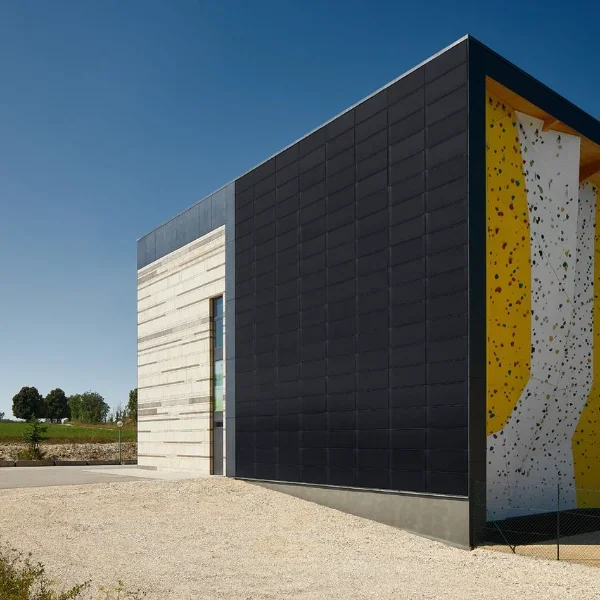
BIPV solar panels for facades are photovoltaic modules designed to replace or integrate with traditional building facade materials, such as glass curtain walls, metal panels, stone cladding, and exterior decorative elements.
Unlike traditional solar panels mounted on external supports, facade BIPV systems become part of the building structure itself. They are engineered to meet both photovoltaic and architectural requirements, including:
-
Energy generation
-
Weather protection
-
Thermal insulation
-
Exterior decoration
-
Structural performance
In a traditional solar installation, solar modules are added onto an existing roof or wall surface. However, BIPV technology changes the concept by making solar modules an essential component of the building design.
For example, a glass office tower can use photovoltaic curtain walls that allow natural light to enter while producing electricity. A commercial building can replace conventional facade materials with solar panels that generate renewable energy throughout the building’s lifecycle.
This integration makes BIPV solar panels an important solution for urban environments where rooftop space is limited but building surfaces are abundant.
How Do Facade BIPV Solar Panels Work?
Facade BIPV systems operate based on the same photovoltaic principles as traditional solar panels. Solar cells inside the modules convert sunlight into direct current (DC) electricity, which is then transformed into usable alternating current (AC) power through an inverter system.
However, facade applications require additional engineering considerations because vertical surfaces receive sunlight differently compared with rooftops.
Key components of a facade BIPV system include:
1. Photovoltaic Modules
The solar modules are the core energy-producing components. Depending on architectural requirements, they may use different technologies, including:
-
Monocrystalline silicon solar cells
-
Thin-film photovoltaic materials
-
Transparent solar glass
-
Colored photovoltaic modules
Modern BIPV solar panels can be customized in different shapes, colors, textures, and transparency levels to match architectural concepts.
2. Building Integration Structure
Facade BIPV panels must be securely connected to the building structure. Mounting systems are designed to withstand:
-
Wind loads
-
Temperature changes
-
Moisture exposure
-
Long-term environmental conditions
Unlike standard solar mounting systems, BIPV structures must also satisfy building regulations and facade safety requirements.
3. Electrical Management System
The generated electricity is managed through:
-
Inverters
-
Monitoring systems
-
Energy storage solutions
-
Building energy management systems
This allows building owners to optimize energy consumption and improve overall efficiency.
Advantages of Using BIPV Solar Panels for Facades
1. Maximizing Solar Energy Generation in Urban Areas
One of the biggest challenges in urban solar applications is limited roof space. High-rise buildings often have large exterior surfaces but relatively small rooftops.
BIPV solar panels for facades allow buildings to utilize vertical surfaces for renewable energy production. Office towers, hotels, shopping centers, and residential buildings can generate electricity without requiring additional land.
This makes facade BIPV particularly valuable in densely populated cities where renewable energy opportunities are limited.
2. Improving Building Energy Efficiency
BIPV facade systems can contribute to better building performance by improving insulation and reducing heat transfer.
High-quality photovoltaic facade solutions can help:
-
Reduce solar heat gain
-
Improve indoor temperature control
-
Lower air conditioning demand
-
Reduce overall energy consumption
When combined with energy-efficient building materials, BIPV solar panels support the development of sustainable buildings with lower operational costs.
3. Enhancing Architectural Aesthetics
Traditional solar panels are often considered functional but visually limited. BIPV technology changes this perception by offering architects greater design flexibility.
Facade BIPV solutions can be customized with:
-
Different colors
-
Various surface textures
-
Transparent or semi-transparent designs
-
Customized shapes and sizes
Architects can create visually impressive buildings while maintaining renewable energy functionality.
For example, photovoltaic glass facades can transform an ordinary commercial building into a modern energy-generating landmark.
4. Supporting Green Building Certifications
Sustainable construction standards are becoming increasingly important worldwide. Buildings using renewable energy technologies can achieve higher sustainability ratings through certifications such as:
-
LEED
-
BREEAM
-
Green Star
Installing BIPV solar panels can help projects demonstrate reduced carbon emissions, improved energy efficiency, and responsible resource utilization.
For developers, sustainable building features can increase property value and attract environmentally conscious tenants.
5. Reducing Long-Term Energy Costs
Although the initial investment of BIPV facade systems may be higher than traditional facade materials, they provide long-term financial benefits.
Electricity generated by BIPV solar panels can reduce dependence on grid power and lower operational expenses.
Over the building lifecycle, savings may come from:
-
Reduced electricity bills
-
Lower energy consumption
-
Potential renewable energy incentives
-
Increased property value
For commercial buildings operating for decades, facade-integrated solar technology can provide significant economic advantages.
Applications of BIPV Solar Panels in Facade Design
Commercial Office Buildings
Modern office buildings are among the most common applications for facade BIPV systems.
Large glass surfaces provide excellent opportunities for photovoltaic integration. Solar curtain walls can generate electricity while maintaining professional architectural appearances.
Benefits include:
-
Lower operating costs
-
Improved corporate sustainability image
-
Enhanced employee working environments
High-Rise Buildings and Skyscrapers
Skyscrapers have enormous facade areas but limited rooftop space. BIPV solar panels provide a practical way to increase renewable energy production.
Although vertical surfaces may receive less sunlight than rooftops, advanced photovoltaic technologies and optimized designs can still provide meaningful energy output.
Future smart cities are expected to rely increasingly on high-rise buildings with integrated renewable energy systems.
Residential Buildings
BIPV facade solutions are also becoming popular in residential construction.
Applications include:
-
Apartment buildings
-
Villas
-
Prefabricated houses
-
Energy-efficient homes
Homeowners can achieve cleaner energy production while maintaining attractive exterior designs.
Public Buildings
Schools, airports, museums, and government buildings often adopt BIPV solar panels to demonstrate environmental responsibility.
These projects can serve as educational examples of renewable energy integration while reducing public facility operating costs.
Design Considerations for Facade BIPV Projects
Successful BIPV facade projects require careful planning during the architectural design stage.
Solar Orientation
The direction and angle of the facade significantly affect energy output.
South-facing surfaces generally receive stronger sunlight in the Northern Hemisphere, while other orientations may require optimized photovoltaic technology.
Building Materials Compatibility
BIPV solar panels must work together with existing construction materials.
Important factors include:
-
Structural compatibility
-
Waterproof performance
-
Fire safety requirements
-
Maintenance accessibility
Aesthetic Requirements
Unlike traditional solar installations, BIPV systems must meet architectural expectations.
Design teams should consider:
-
Panel appearance
-
Color matching
-
Transparency
-
Visual consistency
The goal is to create a building facade where renewable energy technology becomes part of the overall design rather than an added component.
Maintenance and Durability
Facade solar panels are exposed to weather conditions throughout their lifetime.
Reliable BIPV systems should provide:
-
UV resistance
-
Waterproof sealing
-
Mechanical strength
-
Long service life
Regular inspections and professional maintenance help ensure stable energy performance.
Challenges of Facade BIPV Solar Panels
Despite their advantages, BIPV facade systems also face several challenges.
Higher Initial Costs
The manufacturing and installation process of BIPV solar panels can be more complex than conventional building materials.
However, declining photovoltaic costs and increasing demand for sustainable buildings are gradually improving economic feasibility.
Lower Energy Efficiency Compared with Rooftop Systems
Vertical facades usually receive less direct sunlight than optimally angled rooftop installations.
Therefore, project designers must balance architectural goals with energy generation expectations.
Complex Installation Requirements
BIPV projects require cooperation between:
-
Architects
-
Solar engineers
-
Construction companies
-
Electrical specialists
Early-stage planning is essential to avoid technical issues during construction.
Future Trends of BIPV Solar Panels for Facades
The future development of facade-integrated photovoltaic technology will focus on improving efficiency, flexibility, and design possibilities.
Advanced Photovoltaic Materials
New technologies such as lightweight solar films, transparent photovoltaics, and high-efficiency solar cells will expand BIPV applications.
Future buildings may use almost every exterior surface as an energy-generating element.
Smart Building Integration
BIPV systems will increasingly connect with:
-
Energy storage systems
-
Smart grids
-
Building automation platforms
-
Artificial intelligence energy management
This will allow buildings to automatically optimize energy production and consumption.
Conclusion
BIPV solar panels for facades represent the future of sustainable architecture by combining renewable energy generation with modern building design. They transform ordinary building surfaces into functional energy-producing structures while improving aesthetics, energy efficiency, and environmental performance.
As cities move toward low-carbon development, facade-integrated photovoltaic technology will become increasingly important for commercial buildings, residential projects, and smart urban environments.
For architects, developers, and building owners seeking sustainable solutions, investing in high-quality BIPV solar panels is not only an energy decision but also a long-term strategy for creating smarter, greener, and more valuable buildings. By integrating solar power directly into architectural design, the future of construction will move closer to achieving truly sustainable energy independence.
www.fgnexsolar.com
fgnexsolar